
Arrest History in Limestone County
An arrest in Limestone County can begin with the Limestone County Sheriff, Mexia Police, Groesbeck Police, Coolidge Police, a constable, or Texas DPS Highway Patrol. The creating agency keeps its own offense and arrest report. If a person is received at the county jail, the sheriff then creates a separate intake record. A later misdemeanor file belongs to the County Clerk, while a felony case belongs to the District Clerk for the 77th or 87th Judicial District Court.
Those records answer different questions. An agency report describes the alleged event and basis for arrest. A booking record documents intake, charge labels, bond, and release or transfer status. The court file shows what the prosecutor actually filed and how the judge resolved it. Texas DPS may receive a fingerprint-linked arrest event and later disposition reports. Reading the records as one timeline helps prevent a booking allegation from being mistaken for a final charge.
The official Limestone County Sheriff page shows the sheriff and jail contact route used for county custody.
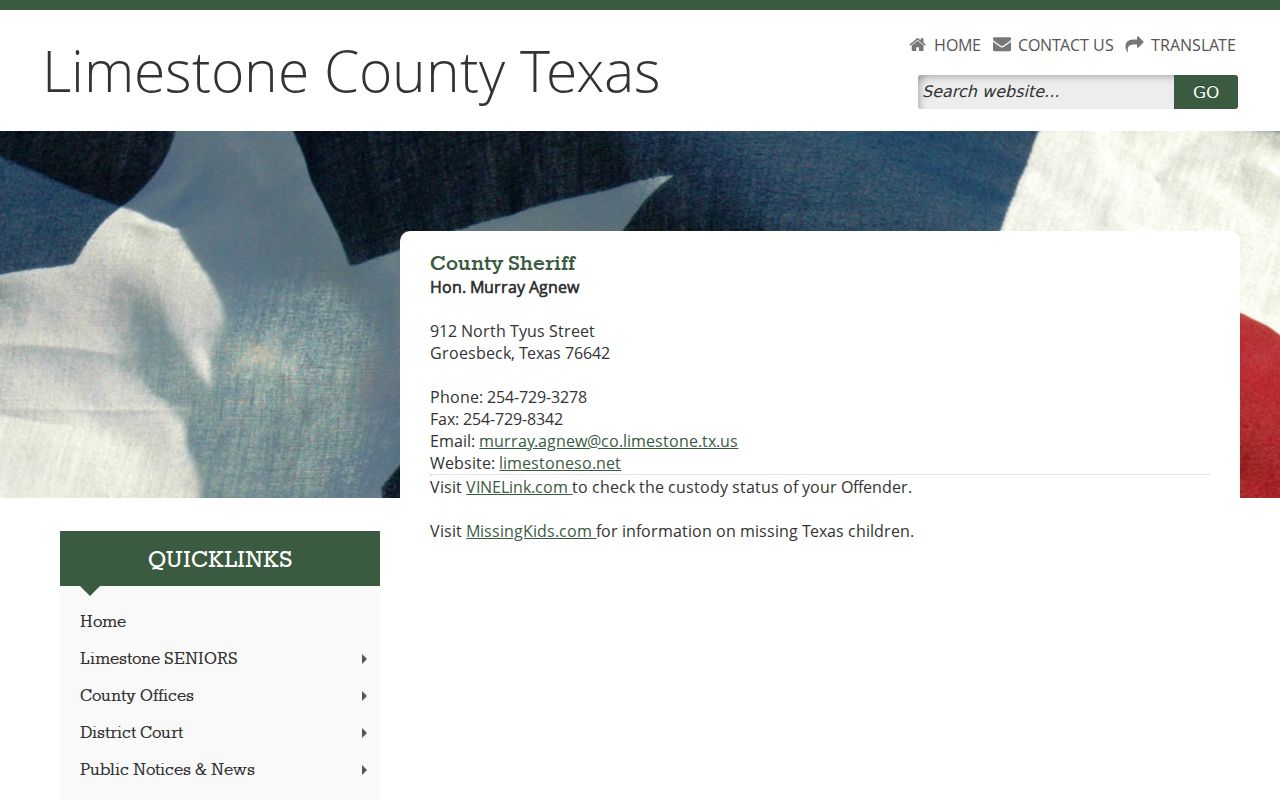
That page is an office directory and VINELink gateway, not a public booking log.
Limestone County Arrest Log Fallback
No official county web booking log, jail roster, active-warrant database, most-wanted page, or branded sheriff app was verified. That gap matters. A failed web search does not show that no arrest or warrant exists. The sound fallback is to identify the arresting agency, call the jail about present custody, use VINELink as a custody-status aid, and send a narrow written request to the office that created the desired record.
The Limestone County Jail operates around the clock at 912 N. Tyus Street in Groesbeck, and the main number is 254-729-3278. Sheriff administration lists weekday hours of 8 a.m. to 5 p.m. The same number can help a caller confirm the current custodian and submission method. A call is useful, but it is not itself a written request under the Texas Public Information Act.
The VINELink custody service can check custody status and support notification registration.
VINELink can show a custody event, yet it does not prove guilt, explain a case outcome, or replace a clerk-certified file.
How to Look Up Limestone County Arrests
Begin with the newest and most local source, then work toward the filed case and state record. Use the full name, date of birth when lawfully available, approximate arrest date, city or location, and possible agency. A report or booking number sharply reduces false matches. This ordered search includes every verified Limestone County channel and keeps custody data separate from criminal-case results.
- Identify the place, date range, and arresting agency. Ask that agency for its arrest or offense report because a city report does not become a sheriff report.
- Call the Limestone County Jail at 254-729-3278 and check VINELink for current county custody. Ask separately for the booking sheet if the jail received the person.
- Check the court trail after filing. Contact the County Clerk for Class A or B misdemeanors and the District Clerk for felony district cases.
- Use the Texas DPS Criminal History Conviction Name Search only for its public statewide conviction and deferred-adjudication slice. A recent arrest may not appear there.
- When routine channels do not provide the record, send a focused written Texas Public Information Act request to the creating agency. State the record type, person, date range, incident number if known, preferred delivery, and a cost limit.
Limestone County Sheriff and Jail
912 N. Tyus Street
Groesbeck, TX 76642
254-729-3278
Administration: Monday through Friday, 8 a.m. to 5 p.m.
Jail operations: 24 hours
Four Limestone County Arrest Records
One arrest can create four distinct records. First comes the arresting agency's report. Second is the jail's booking event, when the jail receives the person. Third is the fingerprint and tracking-control-number submission for a reportable event in the Texas DPS Computerized Criminal History system. Fourth is the court's magistration, charging, and docket trail. Each source can show a different charge label because prosecutors may decline, amend, enhance, or dismiss what appeared at booking.
This difference also explains why timing matters. The booking sequence includes identity checks, property inventory, medical and security screening, a photograph and fingerprints, entry of charges or warrants, magistration, a bail decision, and then housing, release, or transfer. Code of Criminal Procedure Article 15.17 requires magistration without needless delay and within 48 hours. Current Article 17.028 requires an individual bail decision within that period and the least restrictive necessary conditions.
Note: A booking charge is an allegation at intake and may not match the charge later filed in Limestone County court.
What an Arrest Record Shows
A focused request can seek the incident or booking number, arrest date and place, arresting agency, probable-cause narrative, warrant or capias number, initial charge, bond, magistration, and release status. Some fields may be withheld or redacted. Adult basic arrest information is not automatically exempt under Government Code Section 552.108(c), while juvenile law-enforcement records are generally confidential under Family Code Section 58.008.
| Booking Number | The jail's control number for the intake event, useful when names are similar. |
|---|---|
| Booking Date & Time | When county custody began, which may differ from the incident time. |
| Arresting Agency | The sheriff, city police, constable, or state agency that created the arrest report. |
| Charges | Allegations recorded at intake, not a final court finding. |
| Bond | The type, amount, and later bail decision when releasable. |
| Booking Photo | A jail intake field that may be subject to disclosure limits or redaction; no arrestee photos are republished here. |
| Release Status | Whether the person remains held, was released, or moved to another custodian. |
The table describes requestable fields, not a promise that each item will be released in every case. Active investigations, confidential medical facts, victim data, juvenile material, and other protected content can be withheld.
After Limestone County Jail Transfer
Custody searches must follow the custodian. VINELink and the Limestone County Jail are the useful starting points while a person is held locally. After transfer to state prison, switch to the Texas Department of Criminal Justice locator. The state search covers TDCJ custody, not a person merely booked into the county jail. Federal custody requires the Federal Bureau of Prisons locator instead.
The TDCJ Online Inmate Search is the official state-prison channel.
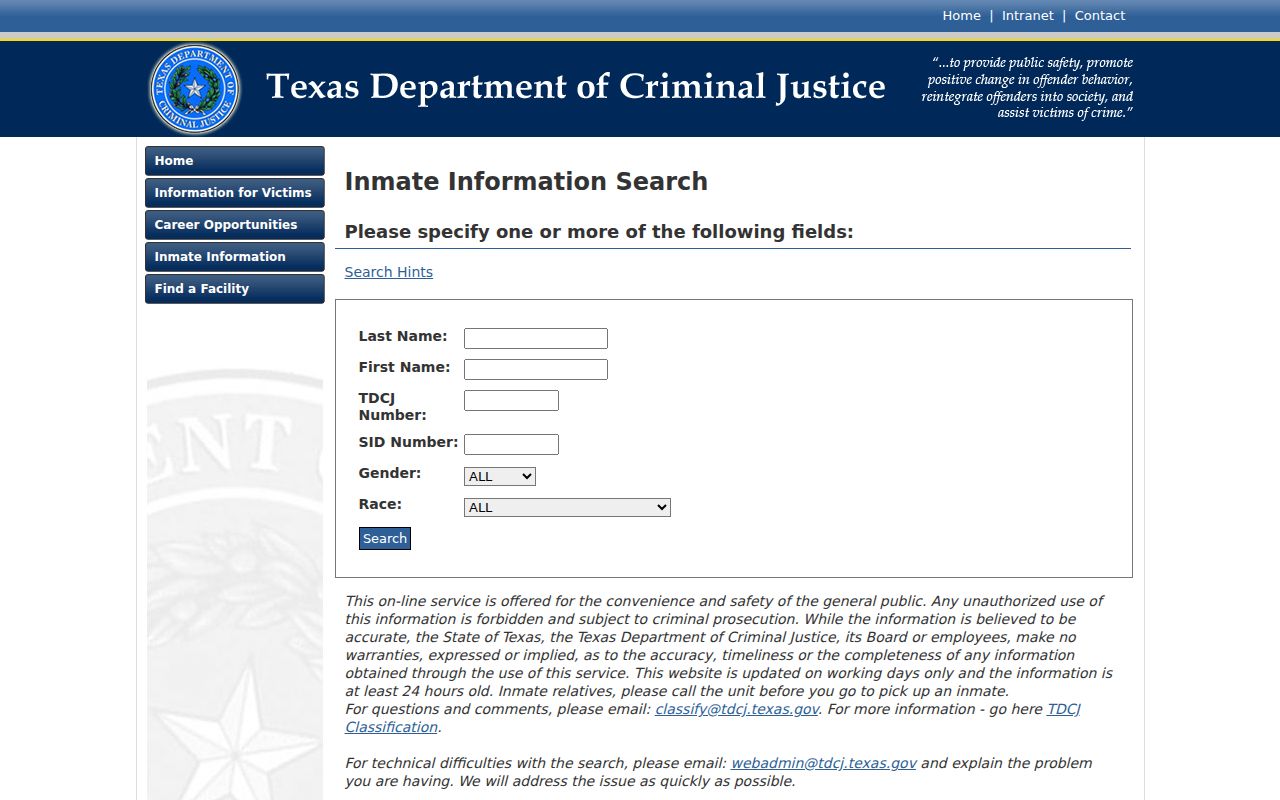
Its result belongs later in the custody timeline and should not be read as a Limestone County booking roster.
The Federal Bureau of Prisons Inmate Locator supplies the federal-custody layer.
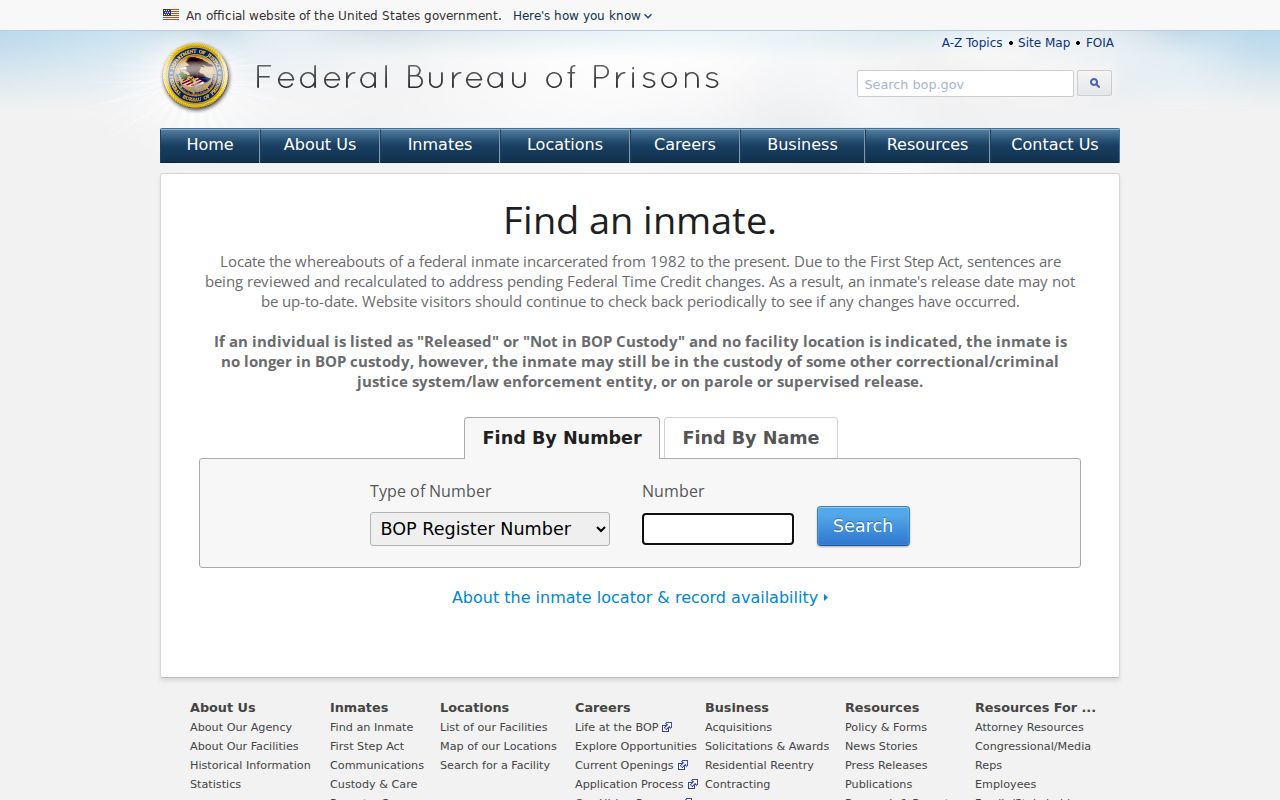
A missing federal result says nothing about county jail custody, and a federal result does not supply the local arrest report.
Recent Arrests and Booking Logs
Limestone County does not publish a verified online booking log. Call the jail and use VINELink for current custody, then request the booking sheet from the sheriff. If a city officer made the arrest, seek the arrest report from that city police department as well. Mexia Police has an official public-records route for criminal and arrest reports. Groesbeck Police and Coolidge Police use their local contacts and written public-information channels.
Custody products are narrow by design. They may change when a person posts bond, is released, or transfers. An entry rolling off does not erase the arrest report, and no result does not establish that no arrest occurred. For older events, pair the agency request with the appropriate County Clerk or District Clerk file. The broader Limestone County criminal court case record can show whether the arrest led to a filed charge and final disposition.
Note: No verified Limestone County sheriff app supplies a hidden booking roster or active-warrant search.
Limestone County Arrest Reporting Lag
A Texas DPS 2023 DWI reporting-completeness snapshot shows why one source may lag another. Limestone County agencies reported 24 DWI charges, 12 prosecution actions, and five court actions at the time of that snapshot. The agency rows included four charges from Groesbeck, eight from the sheriff, eleven from Mexia, and one from Thornton. These are stages of reporting, not a count of convictions and not proof of a current backlog.
The gap is a practical warning. A police or booking record can exist before a prosecution event or disposition reaches the statewide system. Conversely, a court dismissal does not make the agency report cease to exist. When reviewing your own record, compare the arrest date, tracking or booking number, filed cause number, and disposition. Texas DPS offers fingerprint-based personal review and an error-resolution path for mismatched or incomplete CCH data.
Requesting Basic Limestone Arrest Information
Government Code Section 552.108(c) preserves access to basic information about an arrested person, an arrest, or a crime even when other law-enforcement material falls within the section's investigative exception. A request should identify the event and ask for separable public portions. It should not assume that a probable-cause narrative, confidential victim fact, juvenile file, or active investigative detail must be released without review.
A traffic arrest may also sit beside a crash report, but the two are not the same record. The investigating police agency creates the incident material, while a Texas crash report can be obtained through the state crash-record channel. Request the arrest report from the arresting agency and use the crash system only for the collision report. Keeping the request types separate reduces delay and avoids asking the sheriff for a city or highway-patrol document it did not create.
The TxDOT crash reports and records page explains the official statewide route.

That source helps locate the crash record while the arrest and booking trail remains with law enforcement, jail, and court custodians.
The linked TxDOT CRIS purchase service is the transaction channel for qualifying crash reports.
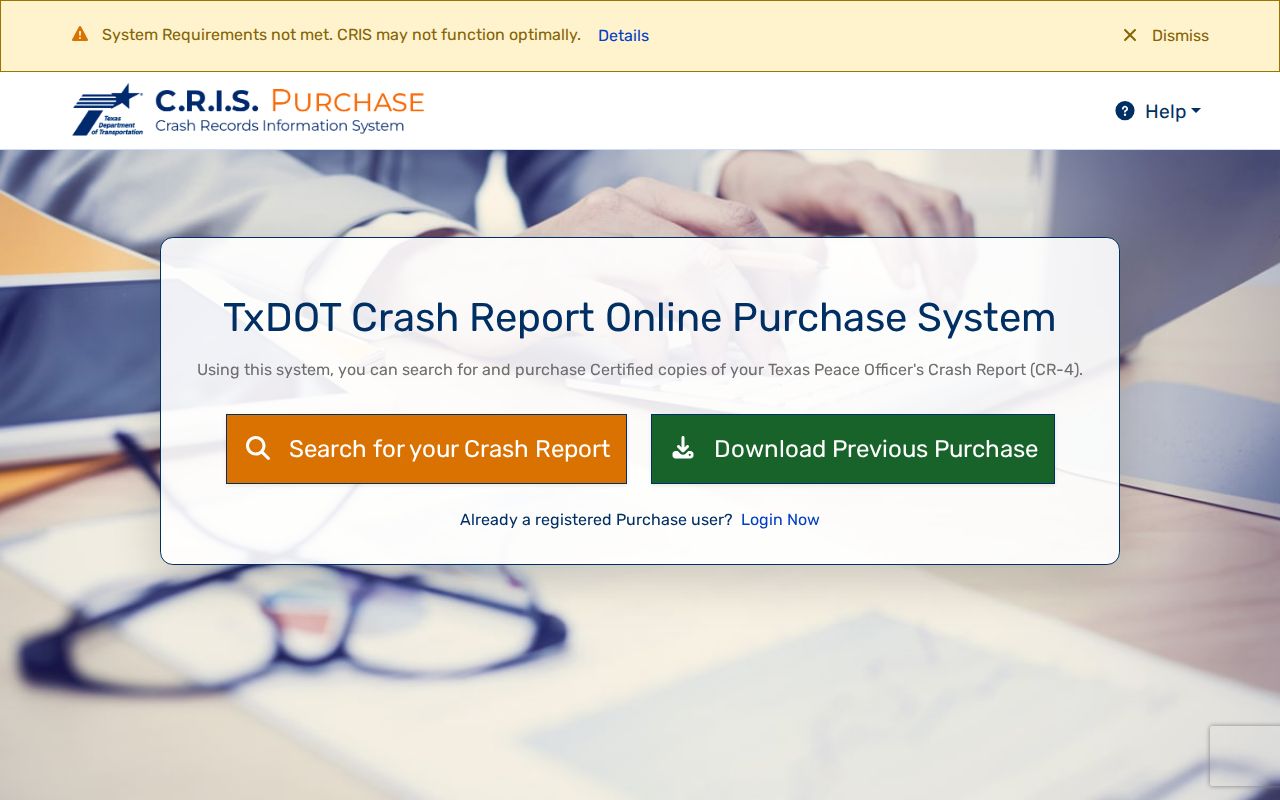
CRIS does not search Limestone County arrests, bonds, warrants, or criminal-case outcomes.
Arrests vs Convictions
An arrest record proves that an agency took enforcement action and may show that the jail booked a person. It does not establish guilt. A conviction follows a plea or finding in court and appears in the court judgment. The Texas DPS public name search is limited to public conviction and deferred-adjudication information, so it is neither a complete recent-arrest log nor a substitute for fingerprint-based review of your own record.
| Arrest Record | Conviction Record |
|---|---|
| Created by the arresting agency and, if booked, the jail | Created through the court's filed case and judgment |
| Shows an arrest or intake occurred | Shows a guilty plea or finding and its disposition |
| Lives with police, sheriff, jail, and reporting systems | Lives with the clerk and may be reported to Texas DPS |
| May end in release, no filing, dismissal, or acquittal | May lead to sentence, appeal, expunction, or nondisclosure when the law allows |
Note: An arrest is not proof of guilt, and a Limestone County booking may never lead to a conviction.